
Compliance is a cornerstone of operating a successful cannabis dispensary. As the cannabis industry continues to grow, adhering to regulatory requirements is not just an obligation but also a foundation for building trust, maintaining operational efficiency, and ensuring business longevity.
Legal Requirements for Cannabis Dispensaries
- Licensing: Obtaining and maintaining the proper licenses for cultivation, distribution, or retail is essential. Operating without a license can result in hefty fines or business closure.
- Product Standards: Regulations often specify allowable THC levels, packaging requirements (e.g., child-resistant containers), and accurate labeling.
- Security Measures: Many jurisdictions mandate robust security protocols such as surveillance systems, restricted access areas, and detailed visitor logs.
- Financial Reporting: Due to federal restrictions on banking services for cannabis businesses, dispensaries often operate heavily in cash. Accurate financial reporting and adherence to tax laws like Section 280E are critical.
Risks of Non-Compliance
- Fines or penalties that drain resources.
- Legal action that could jeopardize your business license.
- Loss of consumer trust due to perceived unreliability or unsafe practices.
- Increased scrutiny from regulators leading to audits or investigations.
Benefits of Prioritizing Compliance
- Consumer Confidence: Customers are more likely to trust dispensaries that demonstrate transparency and adherence to regulations.
- Operational Efficiency: Establishing standardized processes minimizes risks and streamlines operations.
- Investor Appeal: Investors prefer working with businesses that mitigate legal risks through strong compliance practices.
| Component | Importance |
| Licensing | Prevents legal repercussions; establishes legitimacy |
| Product Testing & Labeling | Ensures safety; meets consumer expectations |
| Security Protocols | Protects assets; ensures employee safety |
| Financial Reporting & Taxation | Avoids penalties; supports long-term financial stability |
Practical Steps Toward Compliance
- Hiring Dedicated Compliance Officers: Employ professionals who specialize in monitoring regulatory updates and ensuring adherence within your business operations.
- Training Staff Regularly: Conduct periodic training sessions on topics like legal updates, customer verification procedures (e.g., age checks), and handling compliant transactions.
- Leveraging Compliance Technology: Utilize tools such as seed-to-sale tracking software that monitors every stage of the supply chain—ensuring full traceability.
- Conducting Internal Audits: Perform self-assessments periodically to identify potential gaps before regulators do.
Compliance in the cannabis industry is complex but necessary for long-term success. By understanding its importance and embedding it into daily operations, dispensary owners can safeguard their businesses while contributing positively toward industry standards.
Navigating the Legal Landscape for an Akron, OH Dispensary
The cannabis industry is subject to a complex and constantly evolving legal landscape. For dispensary owners and operators, understanding and complying with state, federal, and local regulations is essential to avoid penalties, maintain licensure, and build a sustainable business. Below, we explore key aspects of navigating these legal requirements.
Navigating Federal vs. State Law for a Marijuana Store in Akron
One of the most challenging aspects of operating a cannabis dispensary is balancing federal law with state regulations.
- Federal Law: Cannabis remains classified as a Schedule I substance under the Controlled Substances Act (CSA). This means that its production, distribution, and possession are prohibited at the federal level. While enforcement has historically been inconsistent, there is always a risk of federal intervention.
- State Law: Many states have legalized cannabis for medical or recreational use or both. However, each state’s laws differ in terms of licensing requirements, product restrictions, taxation rates, and operational guidelines.
- Preemption Concerns: Operators must remember that state legalization does not override federal law. The potential for conflict between these jurisdictions requires ongoing attention.
Core Compliance Areas for an Akron Weed Shop
- Obtain all necessary state and local licenses before starting operations.
- Track renewal dates to ensure licenses remain active.
- Comply with state-mandated third-party testing requirements to verify product safety (e.g., potency levels, pesticide screening).
- Ensure proper labeling that includes THC/CBD content warnings where applicable.
- Install security systems such as cameras and alarms per regulatory guidelines.
- Maintain records of who has access to secure storage areas.
- Limited access to traditional banking services due to cannabis’s federal status creates additional financial hurdles.
- Consider working with institutions offering cannabis-specific accounts or exploring cash management solutions.
- Follow strict rules around marketing to avoid targeting minors or making unsubstantiated medical claims.
- Some states also prohibit certain advertising mediums like billboards or require prior approval for campaigns.
Practical Steps Toward Regulatory Compliance
- Hire Legal Experts: Retain an attorney specializing in cannabis law to remain informed about changing legal requirements.
- Develop Internal Policies: Establish clear standard operating procedures (SOPs) covering everything from inventory tracking to employee training on compliance matters.
- Invest in Compliance Software: Technology tools can simplify tracking key metrics like seed-to-sale data or tax filings.
| Compliance Tool | Purpose | Example Software |
| Seed-to-Sale Tracking | Monitor product from cultivation | Metrc |
| POS Integration | Ensure correct tax calculations | LeafLogix |
| Document Management | Organize licenses & inspections | Simplifya |
Staying Ahead Through Education
- Participate in workshops hosted by regulators or trade associations.
- Subscribe to updates from your state’s cannabis control board for real-time notifications about policy changes.
- Provide ongoing training programs for staff members focusing on new regulations or compliance challenges unique to your jurisdiction.
By actively engaging with the ever-changing legal framework surrounding cannabis dispensaries through education and diligence, businesses can operate responsibly while positioning themselves for long-term success in this highly regulated market.
Building Consumer Trust in the Cannabis Dispensary Industry
Establishing consumer trust is essential for any business, but in the cannabis dispensary industry, it is particularly vital. The unique nature of this market, coupled with strict legal regulations and a historically complex perception of cannabis, makes trust-building a cornerstone for long-term success. Below are strategies and considerations to help dispensaries foster trust among their customers.
Prioritize Product Transparency
Providing clear and accurate information about your products helps establish credibility and encourages repeat business. Customers are more likely to trust your brand if they understand what they are purchasing and how it aligns with their needs.
Key components of product transparency include: – Detailed product labeling: Include cannabinoid content (THC, CBD), terpene profiles, dosage recommendations, and testing results. – Third-party lab testing: Display certificates of analysis (COAs) that verify product safety and potency. – Educational resources: Offer brochures, infographics, or online guides explaining the benefits and risks of cannabis consumption.
Maintain Compliance with Regulations
Operating within legal frameworks ensures that your dispensary meets all state and local compliance requirements. Noncompliance can lead to penalties or shutdowns, which not only harm your business but also erode customer confidence.
Steps to reinforce compliance: – Adhere to packaging regulations (e.g., child-resistant containers). – Follow guidelines for advertising restrictions. – Avoid overselling beyond legal possession limits.
By visibly demonstrating adherence to these rules, customers will see you as a reliable and lawful provider.
Cultivate an Educated Staff
Staff members play a critical role in bridging the gap between customer curiosity and expert knowledge. A well-trained team can elevate customer satisfaction while instilling confidence in your brand’s expertise.
Invest in regular employee education on: – Cannabis science: The differences between strains, cannabinoids, and consumption methods. – Legal guidelines: Keeping employees informed about local laws. – Customer service techniques: Listening actively to address specific client concerns or preferences effectively.
Foster an Inviting Dispensary Atmosphere
The physical environment of your dispensary matters just as much as the products you sell. A clean, organized space communicates professionalism while creating a welcoming atmosphere that puts customers at ease.
Best practices include: – Modern interior design that reflects your brand identity. – Clear signage for easy navigation within the store. – Comfortable waiting areas for high traffic periods.
Additionally, ensure privacy during transactions so customers feel secure discussing personal needs or concerns regarding cannabis use.
| Factor | Why It Builds Trust |
| Cleanliness | Demonstrates professionalism & care |
| Organized Displays | Makes shopping easier & more enjoyable |
| Staff Expertise | Builds confidence in decision-making |
| Transparent Pricing | Prevents suspicion over hidden costs |
Engage with Your Community
Community involvement humanizes your business by positioning it as more than just a place for transactions—it becomes part of the community fabric. Active participation enhances goodwill toward your dispensary while solidifying customer loyalty.
Ways to engage include: – Partnering with local charities or nonprofits. – Hosting educational workshops or events about responsible cannabis use. – Sponsoring community initiatives like clean-up drives or health-oriented programs.
Regularly interacting with community members also offers insights into their preferences and expectations from a local dispensary.
Building consumer trust takes time but is ultimately one of the most rewarding investments you can make for your cannabis dispensary business. By focusing on transparency, compliance, staff education, store ambience, and community engagement, you create a dependable foundation that builds credibility while fostering long-lasting relationships with customers.
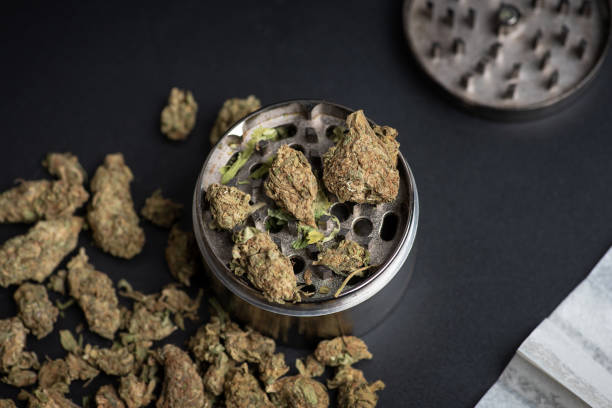
Implementing Effective Compliance Programs for Successful Cannabis Dispensaries
Creating and maintaining an effective compliance program is essential for cannabis dispensaries to thrive in a highly regulated industry. Compliance not only ensures adherence to legal and regulatory requirements but also builds trust with consumers, regulators, and the community at large. Below, we explore key elements of a successful compliance program and how dispensaries can implement them effectively.
Key Elements of an Effective Compliance Program
- Regulatory Knowledge: Understanding local, state, and federal laws governing cannabis operations is crucial.
- Robust Policies and Procedures: Clear written guidelines on business processes help maintain consistent adherence to regulations.
- Employee Training: Regular training sessions ensure staff are aware of legal responsibilities, operational protocols, and ethical practices.
- Record-Keeping Systems: Accurate documentation helps meet reporting requirements and facilitates audits.
- Internal Audits: Routine assessments of operations identify potential risks or areas for improvement.
- Incident Response Plans: A well-defined strategy for addressing compliance breaches can mitigate damages.
Steps to Implement an Effective Compliance Program
- Identify areas in your operations that may pose regulatory risks.
- Evaluate your current internal controls and address weaknesses.
- Write clear policies addressing key areas such as product inventory tracking, security measures, sales limits, advertising restrictions, and employee conduct.
- Keep these documents updated as laws change.
- Utilize software solutions designed for the cannabis industry to manage inventory tracking (e.g., seed-to-sale systems) or generate compliance reports automatically.
- Example tools include: | Technology Tool | Purpose | |——————–|———————————-| | METRC | Seed-to-sale tracking | | BioTrackTHC | Inventory management | | Flowhub | Point-of-sale system integration|
- Develop mandatory training programs tailored to each role within the dispensary (e.g., budtenders, supervisors).
- Include topics such as handling customer IDs for age verification or recognizing fraudulent documents.
- Encourage employees to report potential issues without fear of retaliation through anonymous reporting channels if possible.
- Review records periodically to ensure they align with local laws on inventory control or financial reporting.
- Partner with attorneys specializing in cannabis law who can provide guidance during regulation updates or licensing renewal processes.
Benefits of Compliance Programs
- Risk Mitigation: Reduces chances of fines or shutdowns due to non-compliance.
- Operating Efficiency: Systematic workflows improve daily operations by minimizing errors related to inventory management or reporting procedures.
- Enhanced Reputation: Demonstrates professionalism and builds customer trust by reassuring them about product safety and ethical practices.
By adopting proactive measures toward compliance through robust systems and technology integration, dispensaries position themselves as trusted leaders in this evolving market while avoiding costly pitfalls associated with regulatory violations.
How Technology is Enhancing Weed Dispensaries Akron Ohio Operations and Compliance
Technology plays a critical role in simplifying and optimizing operations within cannabis dispensaries while ensuring compliance with ever-evolving regulatory standards. Implementing modern tools not only improves efficiency but also helps businesses remain competitive in a highly regulated market. Below, we discuss the key ways technology can streamline operations and maintain compliance.
Inventory Management Systems
Managing inventory effectively is one of the most challenging aspects of operating a cannabis dispensary. Advanced inventory management software can ensure accurate tracking of products from seed to sale, which is vital for regulatory compliance.
Key benefits include: – Real-Time Tracking: Systems provide updates on stock levels, helping dispensaries prevent overselling or running out of popular products. – Regulatory Reporting: Automatic record-keeping ensures that all transactions are logged and formatted according to state or local requirements. – Waste Management: Track disposal processes for unsellable or expired cannabis products to maintain compliance with waste regulations.
| Feature | Benefit |
| Real-time stock updates | Helps avoid understocking or overstocking |
| Automated reporting | Reduces errors in compliance documentation |
| Waste tracking | Ensures proper handling and documentation for unusable materials |
Point-of-Sale (POS) Systems
A robust POS system tailored for cannabis businesses is essential to streamline daily operations while adhering to local laws.
Notable features include: – Age Verification Scanning: Ensures customers meet the legal age requirement before completing a transaction. – Purchase Limits Monitoring: Automatically tracks individual purchase limits based on regional regulations. – Tax Calculations: Simplifies tax compliance by calculating excise taxes based on location-specific rules.
These features not only reduce manual errors but also enable staff members to focus on providing better customer service.
Compliance Software Solutions
Dedicated compliance software has become an indispensable tool for dispensary owners. These platforms centralize critical information and help businesses stay updated with rapidly changing industry laws.
Key functionalities provided by these tools: – Automated Updates: Alerts businesses when new regulations are introduced. – Document Management: Stores licenses, permits, and other critical documents securely in one place. – Audit Preparation Tools: Generates reports that ensure readiness for inspections or audits.
By reducing administrative burdens, these platforms allow operators to focus more on growth rather than regulatory hurdles.
Security Systems Integration
Cannabis dispensaries face strict security requirements to protect their assets and ensure safety. Technology-driven security solutions simplify meeting these obligations while enhancing overall safety measures.
Essential elements include: 1. Video Surveillance Systems: – High-definition cameras with real-time monitoring. – Remote access capabilities for management oversight. 2. Access Control Mechanisms: – Restrict employee access to sensitive areas using biometric scans or keycards. 3. Alarm Systems: – Integrated alarms that notify authorities in case of unauthorized entry or attempted theft.
Data Analytics for Better Decision-Making
Data collection and analysis can provide valuable insights into business operations while remaining compliant with privacy guidelines. Modern analytics tools enable dispensaries to identify trends, optimize inventory, and improve customer experiences without compromising data security protocols.
Example Metrics Monitored via Analytics:
- Customer demographics
- Peak buying times
- Product popularity by region
Tracking such metrics allows dispensaries to refine their strategy while staying informed about market demands—all within the parameters of compliance standards.
By integrating these technologies into their workflows, cannabis dispensaries can enhance operational efficiency while maintaining full adherence to legal requirements. Embracing innovation is crucial for navigating this dynamic industry successfully.

Embracing Compliance as a Path to Success for Modern Cannabis Dispensaries
Compliance is more than just a legal requirement for cannabis dispensaries; it is a cornerstone of sustainable success in this rapidly evolving industry. By adhering to state and local regulations, dispensaries can build trust, avoid costly penalties, and create a solid foundation for long-term growth. Below, we explore why compliance is essential and how modern dispensaries can integrate it into their operations effectively.
Why Compliance Matters
Cannabis remains heavily regulated due to its legal status under federal law and varying state frameworks. These regulations cover everything from licensing procedures to product labeling and customer verification. Non-compliance can result in severe consequences, such as fines, license revocation, or even criminal charges. However, beyond the legal risks, embracing compliance demonstrates accountability and builds credibility with consumers.
Key benefits of maintaining compliance include:
– Enhancing consumer confidence: Customers are more likely to purchase products from businesses that follow strict safety standards.
– Avoiding financial setbacks: Regulatory violations often come with hefty fines that could jeopardize operational budgets.
– Strengthening industry reputation: A compliant business contributes to the professional image of the broader cannabis industry.
Steps Toward Effective Compliance
- Familiarize yourself with local laws governing your region or state.
- Stay updated on any changes in policies or requirements.
- Consult with legal experts who specialize in cannabis laws.
- Provide employees with regular training on compliance procedures.
- Ensure team members understand age verification protocols and product handling guidelines.
- Develop an internal culture of accountability by emphasizing the importance of following rules.
- Maintain accurate records of sales transactions, inventory levels, and waste disposal processes.
- Use state-mandated seed-to-sale tracking software for added transparency.
- Conduct periodic audits to identify discrepancies early.
- Invest in Technology Solutions
Leveraging technology can simplify compliance efforts significantly:
| Technology Tools | Benefits |
| Point-of-Sale Systems | Tracks sales data while ensuring age checks |
| Inventory Management Software | Prevents overstocking or understocking products |
| Seed-to-Sale Platforms | Provides end-to-end traceability |
- Engage with Regulators Proactively
Building relationships with regulators can streamline inspections and approvals: - Attend public hearings related to cannabis regulations.
- Communicate openly during inspections or inquiries.
- Seek guidance when interpreting complex rules.
Making Compliance Part of Business Strategy
Rather than viewing compliance as an obstacle, successful dispensaries treat it as an integral part of their business strategy. By prioritizing transparency and accountability from the ground up, they position themselves as leaders within the marketplace while fostering positive relationships with customers and regulators alike.
By embedding compliance into everyday practices through training programs, advanced technologies, and strong record-keeping protocols, dispensaries not only mitigate risk but also establish themselves as trusted entities in a competitive industry setting—a critical step toward achieving long-term success in the world of modern cannabis retail operations.
- 7 Essential Tips for Finding a Reliable Marijuana Store Akron
- Understanding the Rules and Etiquette of Taking Pictures Inside Weed Dispensaries Akron Ohio
- Exploring the Product Selection at a Cannabis Dispensary Akron, OH
- Compliance Matters: Key Insights for a Cannabis Dispensary Akron, OH Business
- The Economic Impact of Weed Dispensaries Akron Ohio and Cannabis Legalization
- Compliance Matters: Key Insights for an Akron, OH Dispensary
- Enhanced Security Features for a Cannabis Dispensary Akron, OH: Access and Key Control Systems
- Exploring the Future of Cannabis at a Community-Owned Cannabis Dispensary in Akron, OH
- How Community-Owned Cannabis Dispensary Akron, OH Locations Are Shaping the Future of Cannabis